Precision neuro-inflammation medicine
A clearer path to controlling inflammation.
Modulux Health is a doctor-led clinic for chronic and acute inflammation. The Williams Technique, our patented clinical method, calms the overactive nerve signaling behind inflammation at its source, using established medicines in a new, patented way.
Inventor-led · Patent-protected · Clinically monitored
For people who have tried everything
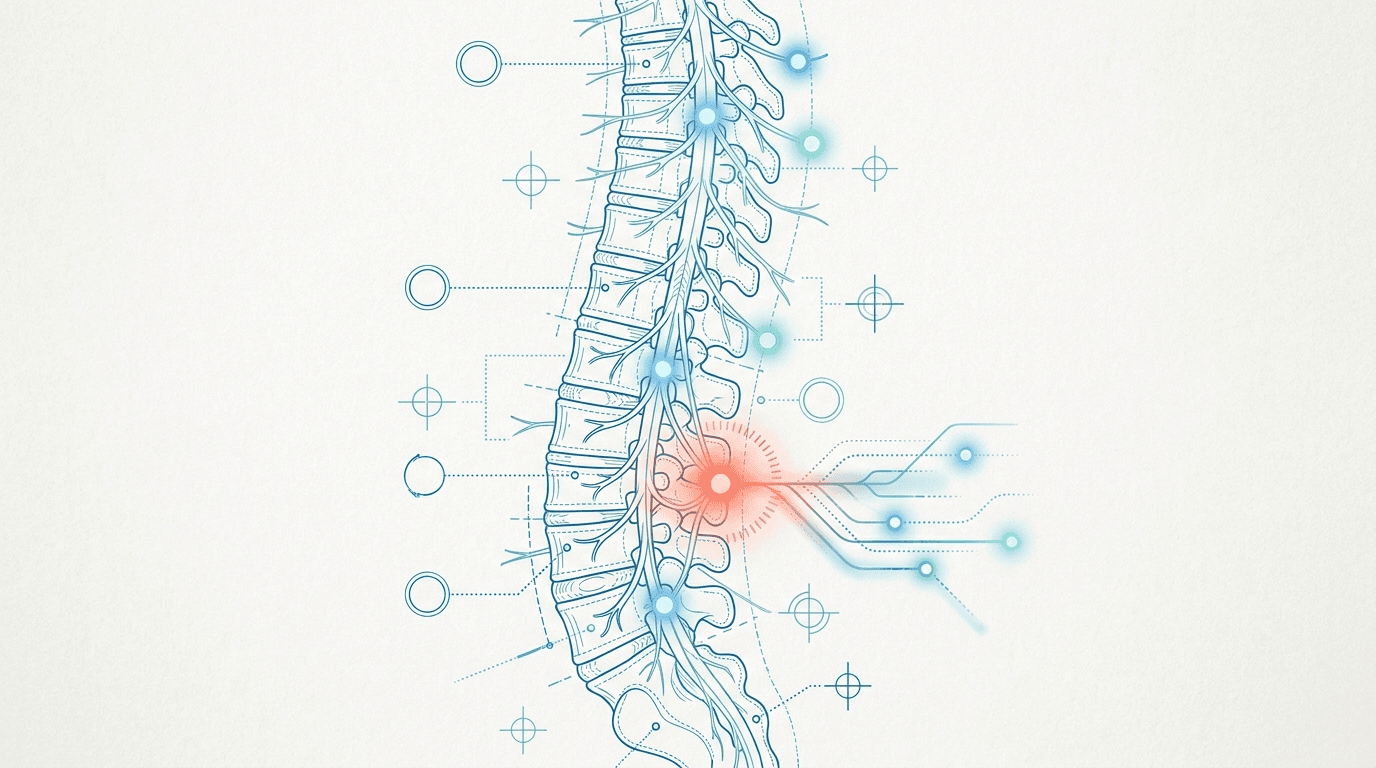
Your inflammation is being driven by a nerve signal that never switched off.
Most care begins where the symptoms appear. But when that signal doesn’t stop, inflammation doesn’t either.
The Williams Technique begins earlier, by turning off the nerve signals that can keep your immune system reacting even after the original trigger has passed.
Why it matters
A stuck signal doesn’t just hurt. It keeps doing damage.
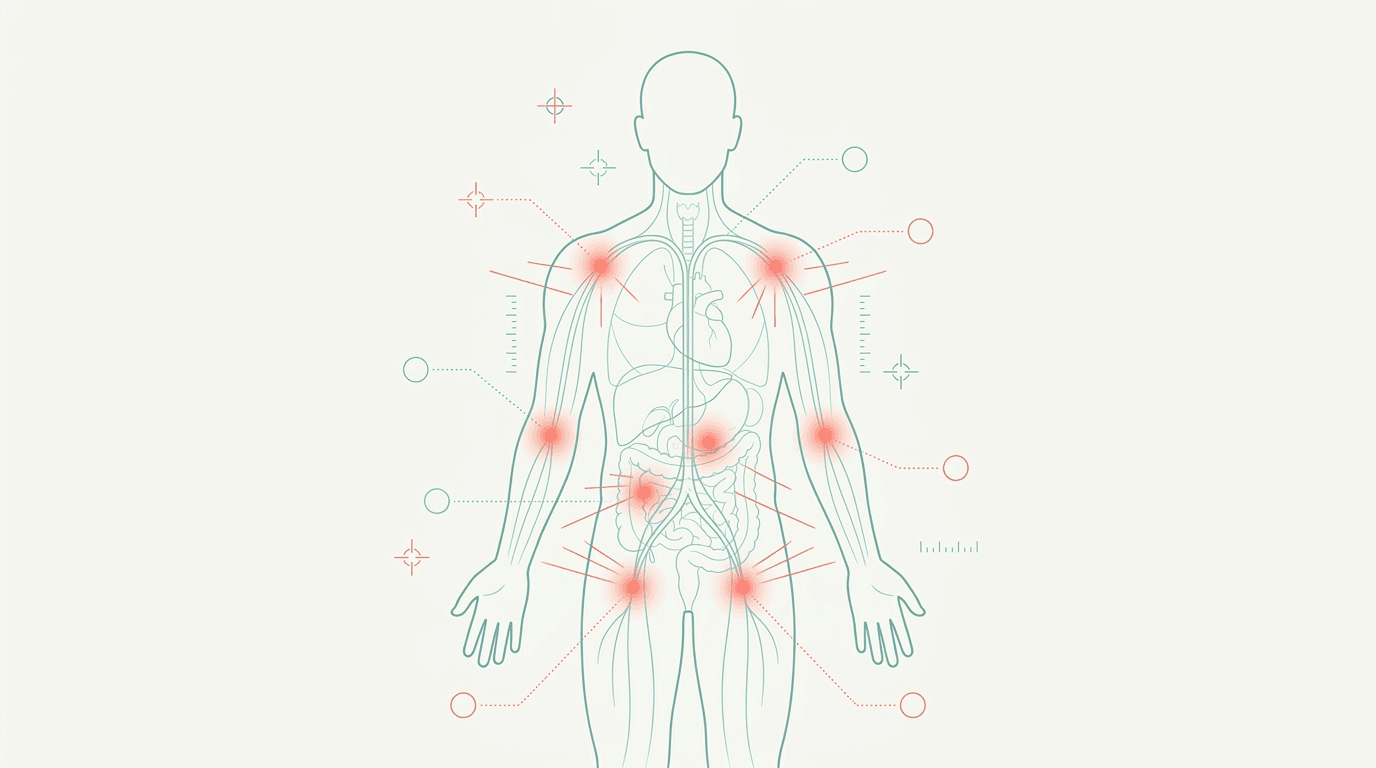
When inflammatory signaling doesn’t resolve, the immune system keeps reacting against healthy tissue. Over time that can affect how your organs work, not just how you feel.
Calming the signal is the goal, before the damage compounds.
A patented clinical method
One mechanism. Two treatments.
Chronic and acute inflammation involve different expressions of the same signaling problem. The Williams Technique uses a distinct protocol for each.
The signal
Glutamate and Substance P fire
The amplifier
CGRP and central sensitization
The stuck switch
The signal that won't resolve
The Williams Technique
Quieting it at the source
For chronic inflammation
Precision botulinum toxin therapy
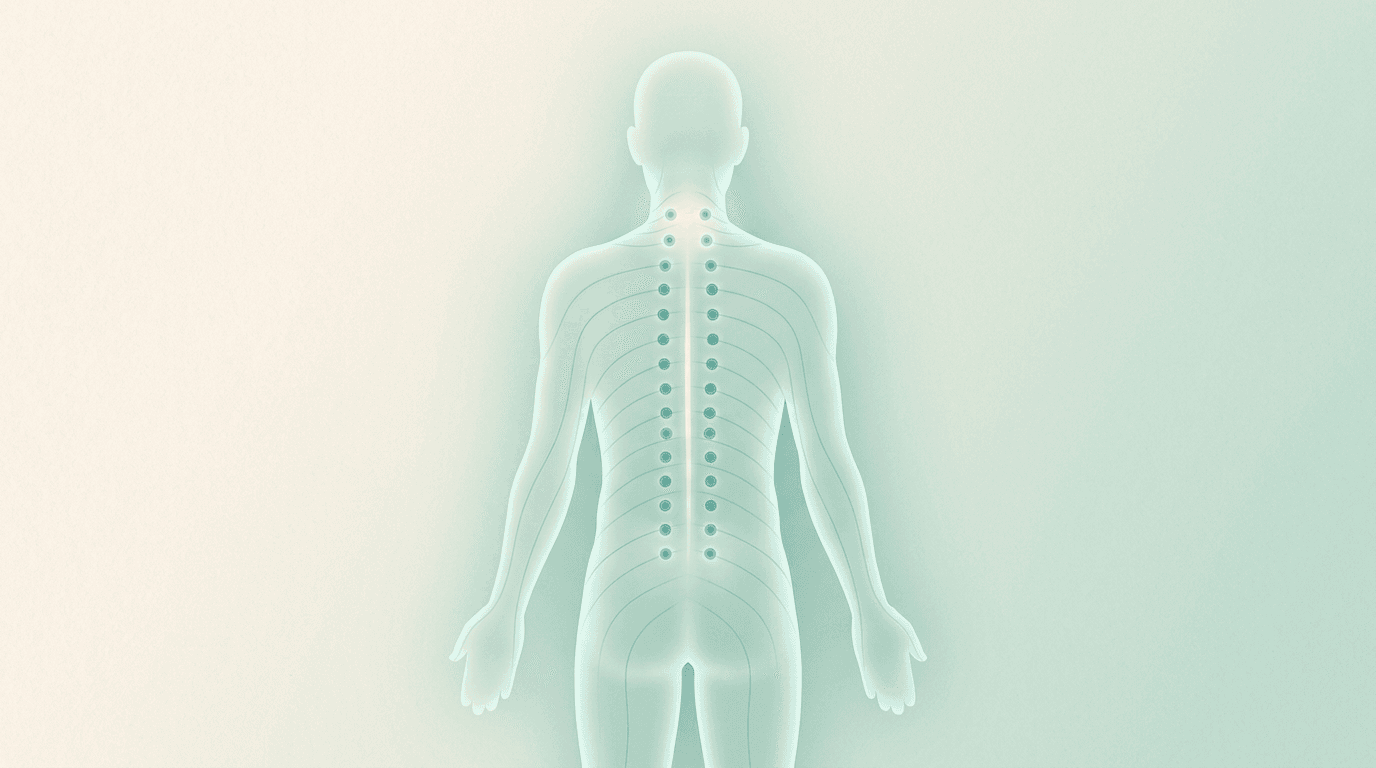
Small, precise doses
Placed near the sensory nerves.
No muscle side effects
Because of where and how the medicine is placed.
An established medicine
Decades of clinical use, directed at a different target.
You can see it working
Substance P and CGRP monitored before and after.
For acute inflammation
Controlled nitrous oxide therapy

Sedation-level dosing
The same sedative levels used in dentistry.
Short sessions, near-term effect
Suited to flare-ups and acute episodes.
Physician-supervised
A controlled, short-term intervention.
The injection method
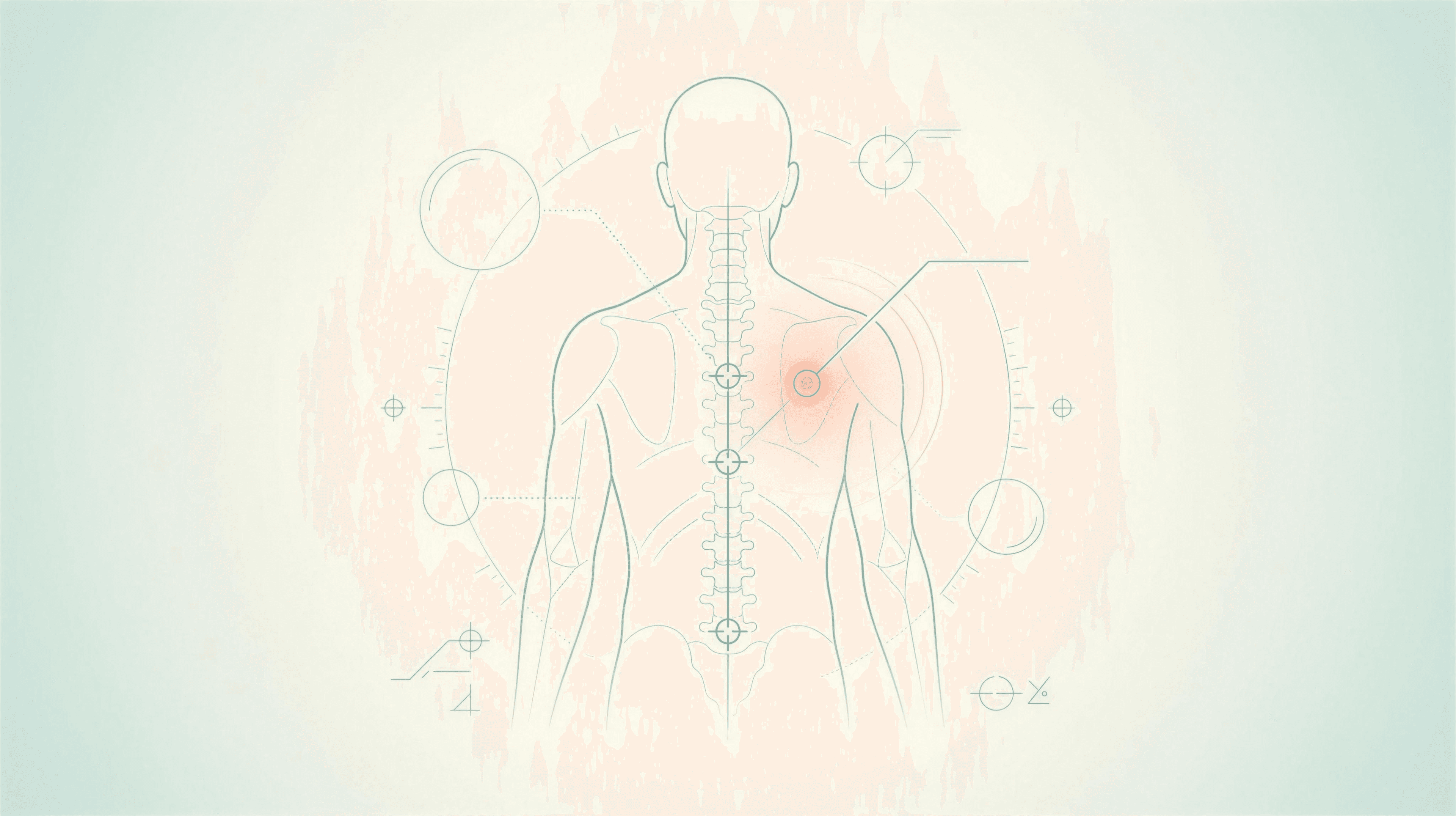
Placed beside the spine, where the signal starts.
For chronic inflammation, small, precise doses are placed along the sensory nerve pathways — about half an inch on each side of the spine — to quiet the overactive signaling at its source.
A different clinical approach
Most treatments quiet the whole system. This targets the signal.
At the source.
The method begins with the nerve signaling that drives the inflammatory response, before the symptoms that appear downstream.
Medicines with a track record.
The protocols use FDA-approved medicines with decades of medical use, applied through a new clinical method.
Designed to spare normal immune function.
The Williams Technique is intended to act selectively, allowing the body's normal immune defenses to remain intact.
Inventor-led and patent-protected.
The technique was developed by Dr. Roland Williams and is protected by issued and pending patents in the United States and internationally.
Proof you can see
The evidence speaks for itself.
The Williams Technique is evaluated through measurable biology and the patient’s lived experience.
Before and after treatment, inflammatory neuropeptides such as Substance P and CGRP can be tracked to show whether the signals being targeted are changing, alongside changes in symptoms and function.
 01
01Registered clinical research
The Williams Technique injection method has been evaluated in a completed Phase 2 clinical trial involving 40 adults with moderate COPD.
Review the study→ 02
02Clinical experience over time
Add one verified measure of clinical experience — years of treatment, patients treated, or length of follow-up.
 03
03Individual patient experiences
Some of the people treated with the Williams Technique have shared what it was like, in their own words. Each is one person's experience, told with their consent. Individual results vary.
 04
04The literature, open to you
We believe patients should be able to read the research behind the care they are considering.
Read the science→Inventor-led medicine
Built on years of focused study and clinical expertise.
Dr. Roland Williams developed the Williams Technique after recognizing the same pattern across very different inflammatory conditions: the body continued to receive the message to react, even after the original threat had passed.
He developed the injection method, dosing and treatment sites around that observation.
Today, he continues to lead the clinical work behind the technique, bringing the inventor, the science and the patient experience into the same room.
Dr. Roland Williams
Medical title & specialty
- Medical title and specialty
- Board certification(s)
- Years in practice
- Issued and pending patents
- Research role and Penland Foundation relationship
Areas of focus
Where we focus first.
We lead with the conditions where the evidence, clinical experience or established medical precedent provide the strongest basis to explore treatment.
We are equally clear about what is established, what is emerging and what remains under investigation.
What to expect
Care begins with the full picture.
Consultation
We review your history, your diagnosis, what you have tried and what has changed. We tell you honestly whether the Williams Technique is a responsible option to explore.
Baseline assessment
Where relevant, we establish clinical and laboratory baselines so there is a clear point of comparison before treatment begins.
Individual protocol
Your physician develops a plan around the nature of the inflammation, the appropriate treatment approach, and the dosing and treatment sites specific to the Williams Technique.
Monitoring
We track symptoms, function and relevant markers over time. The plan is reviewed and adjusted according to your response.
What to know
Frequently asked questions
The Williams Technique is not FDA-approved for inflammatory conditions. It uses medicines that are FDA-approved for other medical purposes in an off-label manner under physician supervision. Off-label prescribing means an approved medicine is used for a purpose, dose or method that is not included in its original FDA labeling. It is a legal and established part of medical practice.
No medical treatment is without risk. Botulinum toxin and nitrous oxide have long histories of medical use, but the Williams Technique applies them in a different, off-label way. Safety begins with appropriate patient selection, physician oversight, precise dosing and ongoing monitoring. Your physician will review the potential benefits, risks, side effects and alternatives before treatment.
Add the real patient experience for both protocols — preparation, administration, discomfort, recovery, and whether patients can drive afterward.
Response timing varies by patient, condition and protocol. Add the clinically accurate response range for both treatments without implying a guaranteed result.
Add the consultation fee, treatment ranges, testing costs, payment options and current insurance position.
That is the purpose of the consultation. We review your medical history, diagnosis, prior treatments and current health to determine whether further evaluation is appropriate. Every patient and condition is considered individually.
Begin with a consultation
Relief starts today.
Bring us your full history: what you have tried, what helped, what changed, what no one has been able to explain, and so on and so forth.
We will review it carefully and tell you whether the Williams Technique is a responsible next step to explore.
Add the confirmed consultation length, format and location.